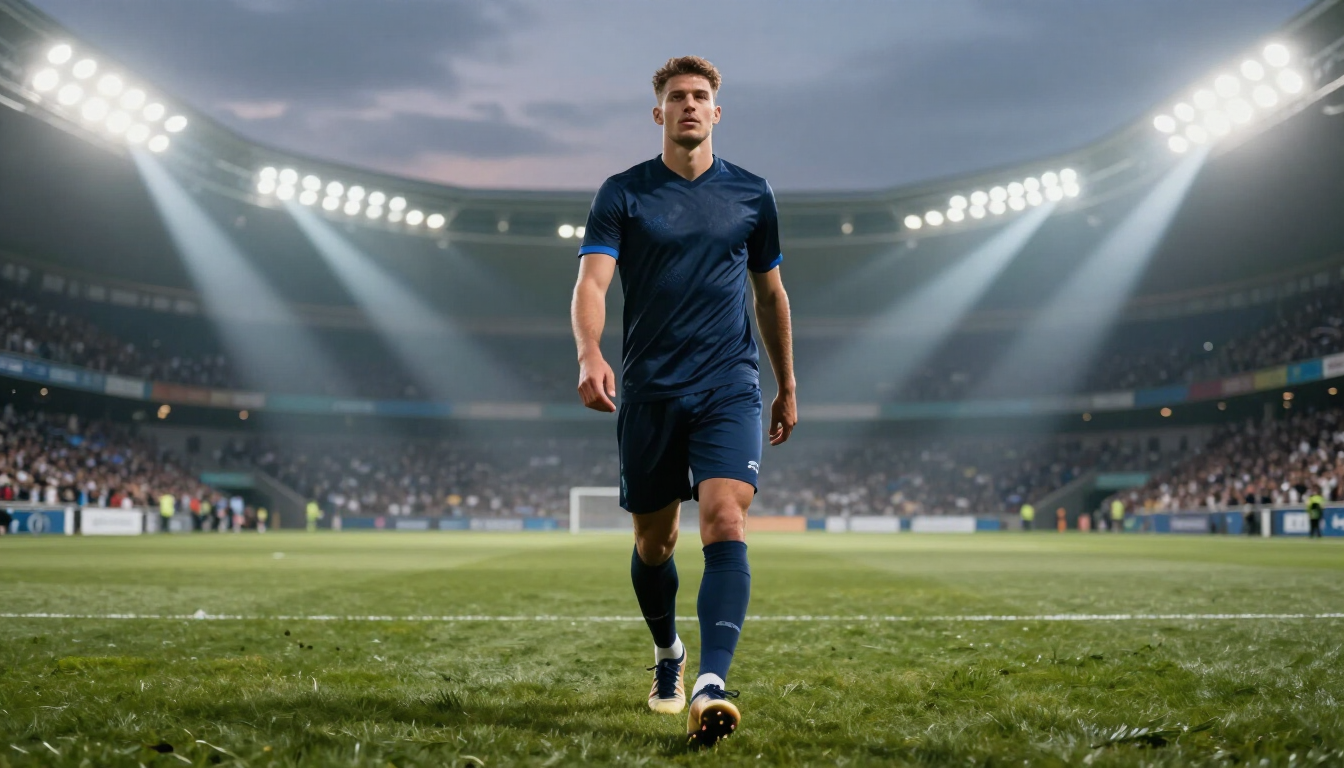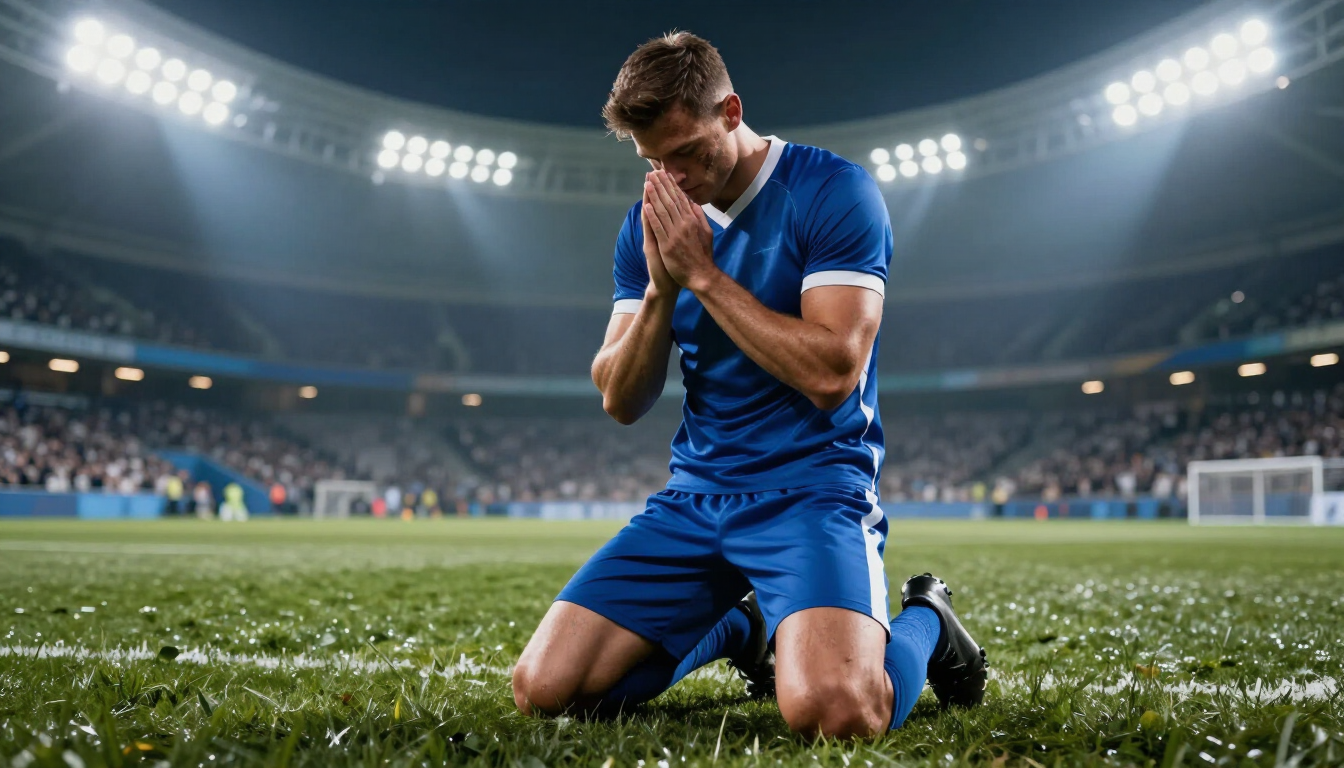

Footballer injuries are pivotal moments that test a player's physical limits and mental resilience, often determining the long-term trajectory of their career. For Premier League stars, a major injury initiates a grueling rehabilitation process involving surgery, specialized physical therapy, and psychological adaptation to ensure a safe return to elite-level performance.
Injuries are the silent narrative of every football season. While fans cheer for the goals and the overhead kicks, the reality for the modern professional is often a cycle of managing discomfort and navigating the risk of a season-ending blow. The Premier League is faster and more physical than it has ever been, which means the margin for error is razor-thin. When a player goes down, the impact ripples far beyond the pitch; it affects club dynamics, contract negotiations, and the player's own sense of identity. On our Stories page, we go behind the scenes to show the raw, unscripted reality of these setbacks, offering a perspective that traditional match-day broadcasts simply cannot capture.
For a player who has spent their entire life training to be at the peak of physical perfection, a sudden injury feels like a betrayal by their own body. It isn't just about the physical pain of a torn ligament or a fractured bone; it's the immediate transition from being a hero in front of thousands to being a patient in a quiet, sterile medical room. This transition is what we call 'The Pain Game,' a mental and physical marathon that defines whether a player will simply return to the game or redefine their Legacy within it.
How do footballers recover from serious injuries?
The recovery process for a Premier League footballer is a 24/7 commitment that begins the moment the diagnosis is confirmed. Modern sports science has transformed what used to be career-ending injuries into manageable setbacks, but the road back is anything but easy. The journey typically follows a strict set of phases designed to rebuild the body from the ground up.
- Acute Phase: Initial management focuses on reducing swelling and pain, often involving the RICE method (Rest, Ice, Compression, Elevation) and early diagnostic imaging like MRIs.
- Surgical Intervention: If required, top-tier surgeons perform minimally invasive procedures to repair structural damage, such as ACL reconstructions or meniscal sutures.
- Strength and Mobility: Once healed, players spend hours in the gym performing repetitive, low-impact exercises to restore muscle mass and joint range of motion.
- Sport-Specific Loading: This involves the transition from the gym to the grass, where players begin linear running, then progress to change-of-direction drills.
- Full Contact Integration: The final hurdle is returning to full training with the squad, overcoming the psychological fear of the first heavy tackle.

The Physical Reality of Premier League Demands
The intensity of the English top flight places unique stresses on the human body. High-speed sprinting, rapid deceleration, and frequent aerial duels create a high-risk environment for soft-tissue injuries. Unlike lower-intensity leagues, the Premier League demands a level of explosive power that can easily overload a tired hamstring or an unstable ankle. This is why injury prevention has become as important as tactical training. Clubs now use wearable GPS technology to monitor 'load'—the total amount of work a player’s body is doing—to predict when a player is in the 'red zone' and likely to suffer a strain.
You can see the intensity of these training sessions and the toll they take in our Exclusive Clips section, where the focus is on the work that happens when the cameras are usually off. The physicality of the game is a constant companion for these athletes, and learning to manage that pain is a skill as vital as passing or shooting.
What is the mental toll of long-term injury recovery?
While the physical scars of an injury eventually fade, the psychological impact can linger far longer. Many footballers describe the feeling of being 'invisible' once they are sidelined. When the rest of the squad is out on the training pitch or traveling for away games, the injured player is often alone in the treatment room. This isolation can lead to a significant decline in mental well-being, as the player loses their primary source of social interaction and professional purpose.
Identity is closely tied to performance. When you are a 'footballer' but you cannot play football, who are you? This question haunts many athletes during their six-to-nine-month recovery windows. There is also the persistent fear of 're-injury.' Every twitch, ache, or pop in the previously injured area sends a shockwave of anxiety through the mind. Overcoming this 'fear of the first tackle' is often a greater challenge than the physical rehabilitation itself. Our Documentary Series dives deep into these psychological battles, featuring players who discuss the dark days of rehab and the mental strength required to keep going when progress feels slow.
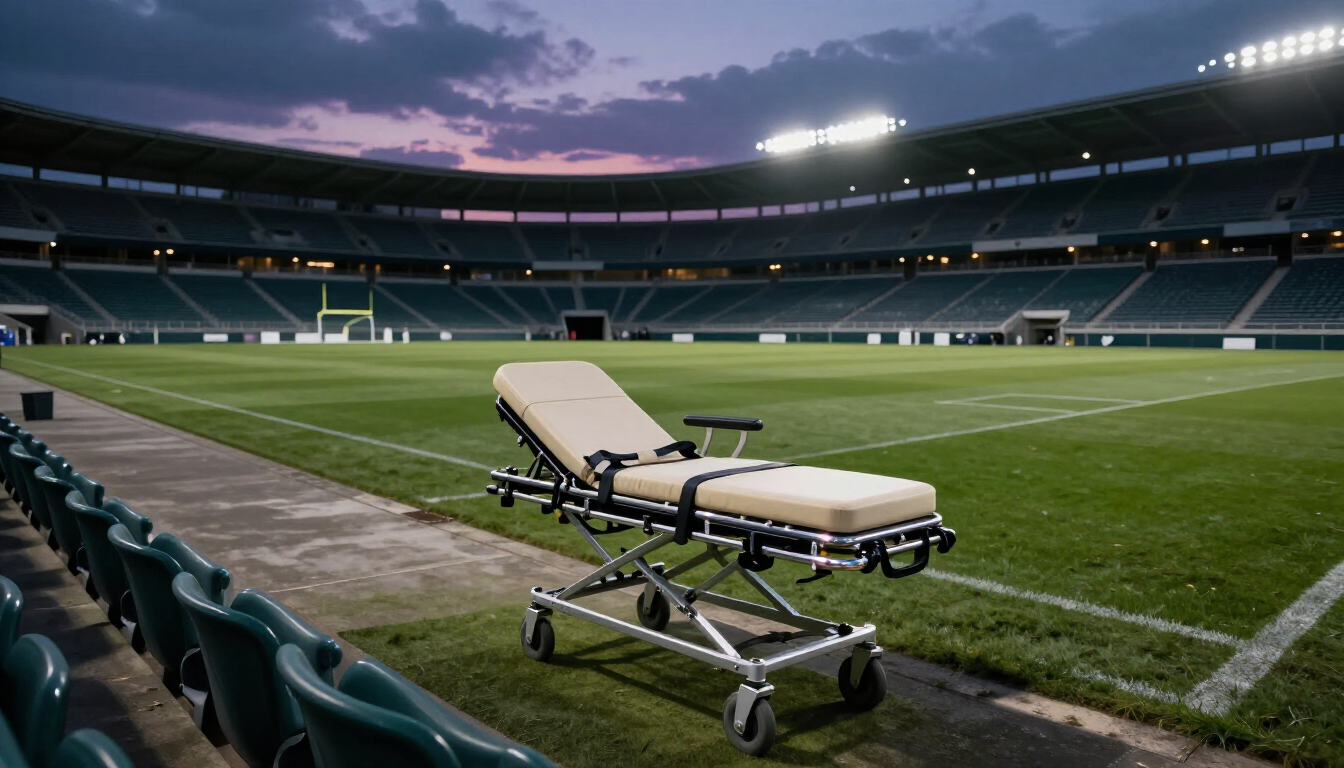
Beyond the Physical Pain
It is important to remember that these players are human beings with families and personal lives that are affected by their professional setbacks. An injury doesn't just stop them from playing; it affects their mood at home, their ability to play with their children, and their long-term financial security. The pressure to return quickly from the club, the fans, and even the media can be suffocating. Some players feel forced to play through 'niggles' that eventually turn into chronic issues, simply because the team needs them or they are in a contract year. This ecosystem of pressure is a central theme in how we tell our stories at Footballer Lives, ensuring fans see the full human cost of the sport they love.
To learn more about the players who have faced these challenges, check out our About page, where we explain our mission to humanize the stars of the Premier League.
Can a major injury actually improve a player’s career?
Paradoxically, some footballers find that a long-term injury provides an opportunity for growth that they wouldn't have had otherwise. Being forced away from the constant cycle of training and matches allows a player to step back and analyze their game from a different perspective. They might spend their time in the video room, studying their tactical positioning, or they may use the extra gym time to build a level of core strength that makes them even more resilient than before.
- Tactical Evolution: Players often use downtime to study the game, returning with a better understanding of their role.
- Physical Transformation: Focused strength training can fix underlying imbalances that the player had ignored.
- Mental Fortitude: Surviving the 'darkness' of rehab builds a level of grit that translates to better performance under pressure.
- Appreciation for the Game: The time away often reignites a player's passion, leading to a 'second prime' of their career.
Ultimately, the 'Pain Game' is about transformation. Whether a player returns as a different version of themselves or finds a new way to contribute to the team, the experience of overcoming injury is a defining chapter in their story. Fans who want to witness these triumphs firsthand can find incredible content by choosing to Watch our full library of unscripted moments.
Summary Takeaways
- Physical resilience is built in the shadows: The real work of a footballer happens in the gym and the treatment room during months of lonely recovery.
- Mental health is the silent component: Recovering from an injury requires as much psychological support as it does physical therapy.
- Modern science is changing the game: Advanced surgical techniques and GPS monitoring are extending careers that would have previously ended early.
- Injury is a catalyst for change: Setbacks often force players to adapt their playing style, potentially leading to greater tactical maturity.
Football is a beautiful game, but it is also a brutal one. By understanding the pain that shapes these careers, fans can develop a deeper appreciation for the resilience it takes to step onto that pitch every weekend. To stay updated with the latest insights and player interviews, visit our Blog regularly and get the inside track on the lives of your favorite stars.
Recent Posts